
How to Start a Private Dental Practice in the UK
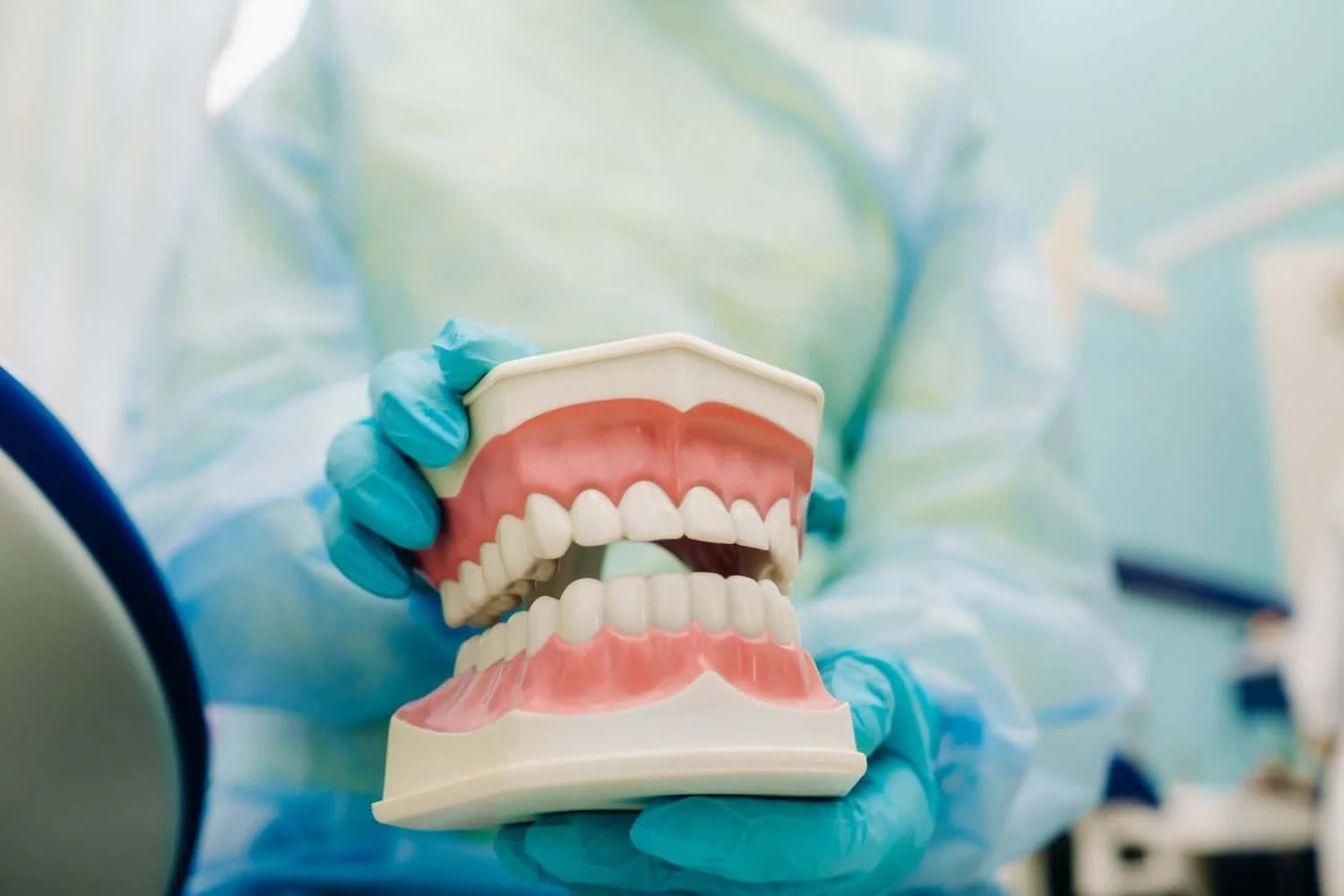
Starting a private dental practice in the UK can be an exciting and rewarding move for dentists who want more control over patient care, service delivery and the long-term direction of their business. But it is also a major undertaking that requires careful planning, significant investment and a clear understanding of the legal and regulatory environment.
This is not just about fitting out a surgery. It is about building a safe, compliant and well-run healthcare business. This guide explains the key areas to think about when setting up a private dental practice in the UK.
1. Make Sure You Are Professionally Ready
Before anything else, you need to make sure you and any clinicians working in the practice are properly qualified and registered.
GDC registration
All dental professionals practising in the UK must be registered with the General Dental Council (GDC). This is a core requirement for lawful practice and professional standards.
CPD
You will also need to keep up with continuing professional development requirements to maintain professional standards and registration.
Clinical competence
Make sure you are clinically competent in the treatments you plan to offer. If you intend to provide specialist or advanced services, you should have the appropriate qualifications, experience and governance in place.
2. Create a Proper Business Plan
A private dental practice needs a clear business plan from the start.
Your plan should cover:
target patient demographic
services offered
location strategy
pricing and revenue model
startup costs
staffing needs
operational setup
marketing approach
financial forecasts
Opening a dental practice often requires significant upfront investment, so it is important to understand your funding needs early, whether that comes from savings, borrowing or investors.
3. Choose the Right Business Structure
You will need to decide how the business will operate legally.
Sole trader
This can be simpler in some cases, but you are personally responsible for liabilities.
Limited company
A limited company offers a separate legal structure and can provide more protection, but it comes with additional administration and responsibilities.
Partnership
If you are opening the practice with others, a clear partnership agreement is essential.
Because of the complexity of healthcare businesses, it is sensible to take advice from an accountant or adviser with relevant sector experience before deciding.
4. Find the Right Premises and Plan the Fit-Out
Your premises need to work both commercially and compliantly.
Important factors include:
accessibility
visibility
suitability for your target market
patient flow
surgery layout
decontamination and infection control requirements
space for equipment and staff
compliance with relevant safety and regulatory standards
You may also need to consider planning permission, lease terms, building works and fit-out costs.
Dental equipment is a major investment, so you will need to budget carefully for chairs, imaging systems, sterilisation equipment, instruments, IT systems and maintenance.
5. Understand the Regulatory and Compliance Requirements
This is one of the most important parts of setting up a private dental practice.
CQC registration
In England, private dental practices providing regulated activities will generally need Care Quality Commission (CQC) registration. This can include both the provider and, where required, a registered manager.
The application process can be detailed and document-heavy, so it is important to plan ahead.
Policies and procedures
You will need a full suite of practice policies and procedures covering areas such as:
infection prevention and control
safeguarding
complaints handling
consent
health and safety
data protection
medicines management where relevant
recruitment and staff training
incident reporting and governance
Health and safety
As an employer and healthcare provider, you need to manage workplace risks properly. This includes:
risk assessments
fire safety
COSHH
manual handling
staff training
safe working practices
Infection prevention and control
Infection control is central to running a dental practice. You need robust processes for sterilisation, PPE, hand hygiene, waste handling and cleaning protocols.
Data protection
You will be handling sensitive patient information, so you need to comply with data protection requirements and manage confidentiality, storage, access and privacy properly.
Safeguarding
Appropriate safeguarding policies, processes and staff training are essential.
Radiation compliance
If you use X-ray equipment, you need to meet the relevant radiation safety and equipment requirements and ensure responsibilities are clearly allocated.
Waste management
Clinical waste, sharps and hazardous materials must be handled and disposed of correctly using suitable arrangements.
6. Arrange the Right Insurance
Insurance is a core part of protecting a dental practice from financial and operational risk.
Professional indemnity insurance
This is essential for dental professionals and helps protect against claims arising from clinical work, advice or treatment.
Public liability insurance
This helps protect the business if a patient, visitor or third party is injured or their property is damaged in connection with your practice.
Employers’ liability insurance
Usually a legal requirement if you employ staff.
Contents and equipment insurance
Useful for protecting valuable dental equipment, instruments, IT systems and other business contents.
Buildings insurance
Needed if you own the premises.
Business interruption insurance
Can help protect the business if an insured event forces you to close temporarily.
Cyber insurance
Worth considering given the reliance on digital systems, patient records and connected software.
Legal expenses insurance
Can help with certain legal costs arising from disputes or claims.
Directors’ and officers’ insurance
Potentially relevant if you operate as a limited company.
7. Recruit the Right Team
A successful practice depends heavily on the quality of its team.
You may need to recruit:
dentists
hygienists
dental nurses
reception and administrative staff
practice management support
Make sure recruitment, contracts, onboarding, training and appraisals are handled properly. Staff roles, responsibilities and reporting lines should be clear from the outset.
8. Build the Operational Side Properly
A dental practice needs strong systems behind the scenes as well as good clinical care.
Think about:
appointment systems
patient communications
finance and billing
compliance tracking
stock control
complaints handling
HR systems
governance and oversight
marketing and patient acquisition
The stronger your systems are at launch, the easier it becomes to deliver a consistent patient experience and grow sustainably.
Final Thoughts
Starting a private dental practice in the UK is a significant project, but with the right planning it can become a highly rewarding business. The key is to treat it as both a healthcare service and a business from the outset.
By focusing on professional readiness, compliance, suitable insurance, strong systems and a clear patient offering, you can create a private dental practice built for long-term success.