
How to Start an Electrician Business in the UK
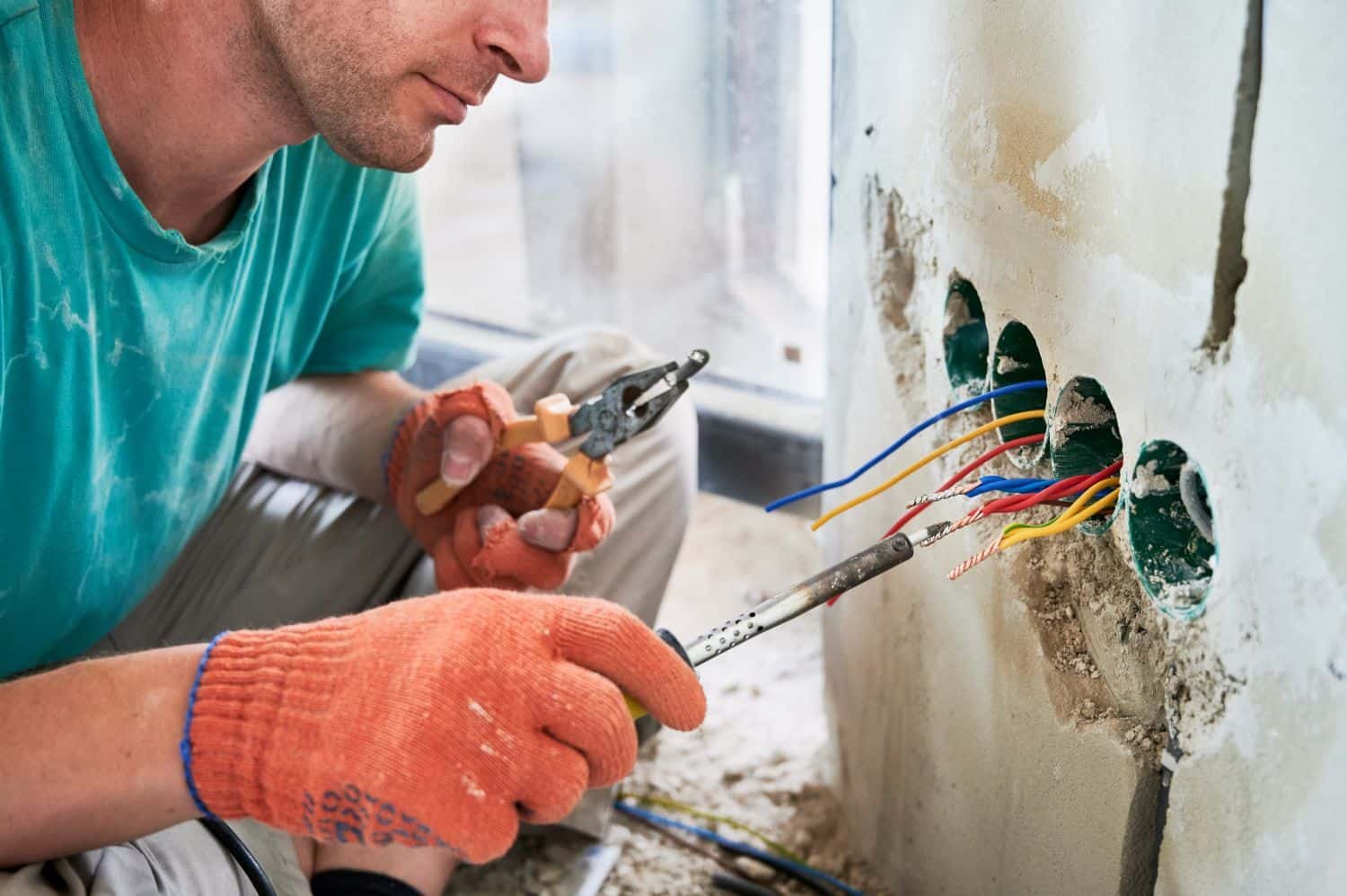
Thinking about becoming your own boss and starting an electrician business in the UK?
Running your own electrical business can be rewarding and profitable, but only if you get the foundations right. Beyond technical skills, you also need to understand qualifications, legal requirements, registrations and insurance so you can work compliantly and protect your business.
This guide explains how to set up an electrician business in the UK step by step.
1. Get Qualified and Build Experience
Before you start trading, you need to be properly trained, qualified and competent. Electrical work is highly regulated, so getting this right is essential.
Essential qualifications
Most electricians in the UK hold qualifications such as:
City & Guilds Level 2 and Level 3 Diploma in Electrical Installation
NVQ Level 3 in Electrotechnical Systems
18th Edition Wiring Regulations qualification covering BS 7671
If you plan to carry out inspections, testing or issue EICRs, you will usually also need relevant inspection and testing qualifications.
Experience matters
Many successful self-employed electricians spend several years working for an established company before going out on their own. This helps build confidence, technical ability and real-world problem-solving skills, while also giving you experience in quoting, dealing with customers and managing jobs safely.
2. Choose Your Business Structure
You will need to decide how to operate the business legally.
Sole trader
This is the simplest option and often the most common starting point.
quick to set up
register for Self Assessment with HMRC
you are personally responsible for debts
Limited company
A limited company is a separate legal entity.
offers more personal liability protection
involves more admin
requires Companies House registration and Corporation Tax obligations
may become more tax-efficient as income grows
It is worth speaking to an accountant before deciding which option suits your plans.
3. Register the Business Properly
Once you start trading, you need to register the business correctly.
Sole traders register for Self Assessment with HMRC
Limited companies register with Companies House and then with HMRC for Corporation Tax
It is also a good idea to open a separate business bank account and keep your records organised from the start.
4. Understand the Rules and Compliance Requirements
Electrical work carries significant safety responsibilities, so compliance is a major part of running the business properly.
Wiring regulations
Your work must comply with the current edition of BS 7671, often referred to as the IET Wiring Regulations.
Electrical safety law
You also need to work in line with relevant electrical safety and health and safety requirements. In practice, that means:
carrying out suitable risk assessments
using the right PPE
testing and inspecting properly
using safe systems of work
keeping equipment in good condition
making sure installations are safe for use
Competent Person Scheme membership
If you carry out notifiable work in domestic properties, joining a Competent Person Scheme can be very important.
Common schemes include:
NICEIC
NAPIT
ELECSA
STROMA
Membership allows you to self-certify certain work under building regulations, which can make life easier for both you and your customers and help build trust.
Non-compliance can lead to serious consequences, including failed inspections, unhappy customers, invalid insurance or legal issues.
5. Arrange the Right Insurance
Insurance is a key part of protecting an electrical business. Because of the risks involved in electrical work, having the right cover in place matters from day one.
Public liability insurance
This helps protect you if your work causes accidental injury to someone or damage to their property.
Professional indemnity insurance
This can be useful if you provide advice, designs or recommendations as part of your work.
Employers’ liability insurance
This is usually a legal requirement if you employ staff, apprentices or certain labour working under your control.
Other useful cover
You may also want to consider:
tools and equipment insurance
commercial van insurance
personal accident insurance
legal expenses insurance
product liability insurance where relevant
6. Set Up the Business Side Properly
Once the legal and compliance side is in place, the next step is building a business that runs smoothly.
Practical setup steps
create a simple business plan
buy reliable tools and properly maintained testing equipment
open a business bank account
set up bookkeeping systems
create a professional website
register in relevant directories
start collecting customer reviews early
Good systems save time, reduce stress and make it easier to grow the business later.
7. Start Marketing Your Electrician Business
To win work consistently, you need more than qualifications alone.
A strong starting point includes:
a clear website explaining your services
a Google Business Profile
local SEO
review collection
social proof from completed jobs
networking with builders, landlords, developers and other trades
The more professional and reliable your business looks, the easier it becomes to build trust and generate enquiries.
Final Thoughts
Starting an electrician business in the UK takes more than technical ability. Long-term success comes from combining the right qualifications, proper compliance, suitable insurance and reliable business systems.
Get those foundations right and you will be in a much stronger position to deliver safe, professional work and grow a profitable electrical business.