
Starting an Electrician Business in the UK: A Complete Setup Guide
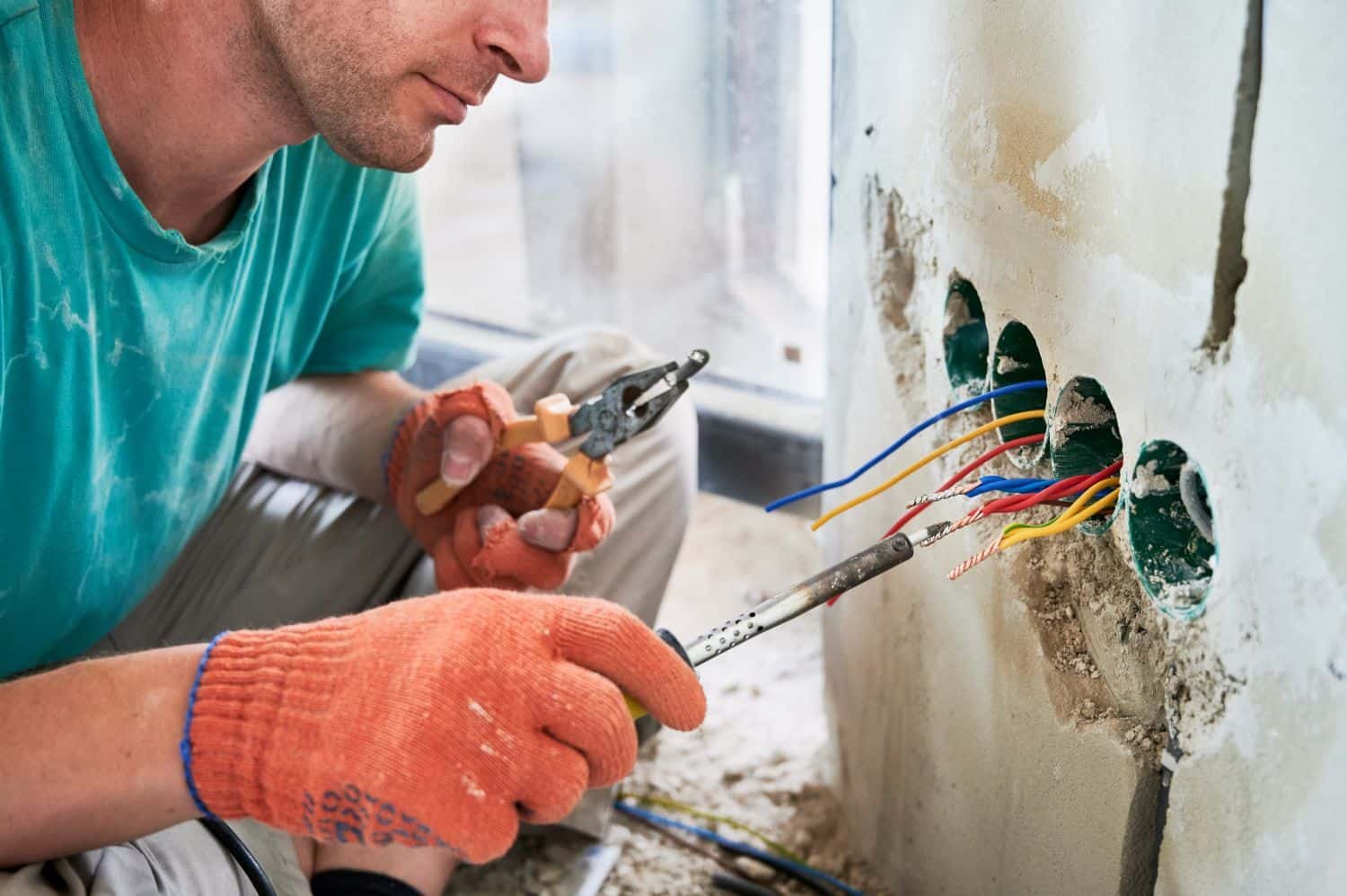
Thinking about becoming your own boss and starting an electrician business in the UK?
Running your own electrical business can be rewarding and profitable — but only if you get the foundations right. Beyond technical skills, you’ll need to understand qualifications, legal requirements, registrations, and insurance to stay compliant and protect yourself.
This guide explains how to set up an electrician business in the UK, step by step, in plain English.
1. Get Qualified & Experienced
Before you start trading, you must be fully qualified and competent. Electrical work is highly regulated, and there’s no shortcut here.
Essential Qualifications
Most UK electricians hold:
City & Guilds Level 2 & 3 Diploma in Electrical Installation
NVQ Level 3 in Electrotechnical Systems
18th Edition Wiring Regulations (BS 7671) — this must be kept up to date
If you plan to carry out inspections or issue EICRs, you’ll also need:
Inspection & Testing qualifications (e.g. City & Guilds 2391)
Experience Matters
While not legally required, most successful self-employed electricians spend several years working for an established firm first. This helps you build confidence, technical ability, and real-world problem-solving skills before going solo.
2. Choose Your Business Structure
You’ll need to decide how to legally operate your business.
Sole Trader
Quick and simple to set up
You’re personally responsible for debts
Register for Self Assessment with HMRC
This is the most common starting point for electricians.
Limited Company
Separate legal entity
Offers personal liability protection
More admin (Companies House + Corporation Tax)
Often more tax-efficient as income grows
It's highly recommended to consult an accountant to determine the best structure for your individual circumstances.
3. Register with HMRC and Stay Compliant
Electrical businesses are heavily regulated for safety reasons.
HMRC Registration
Sole traders: Register for Self Assessment
Limited companies: Register with Companies House, then HMRC
The Electricity at Work Regulations 1989: These regulations impose duties on employers and self-employed individuals to ensure the safety of electrical systems and equipment in the workplace. This includes regular inspection, testing, and maintenance.
IET Wiring Regulations (BS 7671): As mentioned, all your work must adhere to the latest edition of these national safety standards for electrical installations.
Health and Safety: You have a legal responsibility to ensure your own safety, the safety of your clients, and anyone else who might be affected by your work. This includes conducting risk assessments and using appropriate PPE.
Competent Person Scheme (CPS)
If you work in domestic properties, CPS membership is essential.
Approved schemes include:
NICEIC
NAPIT
ELECSA
STROMA
Being registered allows you to self-certify your work under Part P of the Building Regulations, saving your customers time and money — and increasing trust.
Key Regulations You Must Follow
IET Wiring Regulations (BS 7671)
Electricity at Work Regulations 1989
Health & Safety at Work requirements, including risk assessments and PPE
Non-compliance can lead to fines, invalid insurance, or worse.
4. Essential Insurance for Electricians
Insurance isn’t optional in electrical work — it’s protection for you, your clients, and your livelihood.
Must-Have Cover
Public Liability Insurance
Covers injury or property damage caused by your work. Most electricians carry £2m–£5m cover.Professional Indemnity Insurance
Essential if you provide advice, designs, or recommendations.Employers’ Liability Insurance
A legal requirement if you employ anyone — even part-time or apprentices.
Strongly Recommended
Tools & Equipment Insurance
Commercial Van Insurance
Personal Accident Insurance
Legal Expenses Insurance
Product Liability Insurance (often included with public liability)
We’ve teamed up with PolicyBee to make business insurance simple for start-ups. Learn more.
5. Getting Your Electrician Business Up and Running
Once the legal side is covered, it’s time to build a business — not just a job.
Key Setup Steps
Create a simple business plan
Buy calibrated testing equipment and quality tools
Open a business bank account
Set up basic bookkeeping
Build a professional website
Register with local directories
Start collecting reviews early
Systems matter. Getting this right early saves stress later.
Final Thought
Starting an electrician business in the UK takes more than technical ability. Success comes from combining:
✔ Proper qualifications
✔ Legal compliance
✔ The right insurance
✔ Strong business systems
Get the foundations right, and you’ll be free to focus on delivering safe, reliable electrical work — and growing a profitable business.
Need Help Setting Up Your Electrician Business?
We offer simple start-up packages for electricians, covering:
✔ Business setup and registrations
✔ Bookkeeping and systems
✔ Compliance guidance
✔ Ongoing support as you grow